Essential Tips for Designing Your Dream Outdoor Kitchen
Creating an outdoor kitchen transforms your backyard into a vibrant space for cooking, dining, and socializing. Whether you enjoy casual barbecues or gourmet meals under the open sky, a well-designed outdoor kitchen can elevate your home experience. This guide offers practical tips to help you build the ultimate outdoor cooking area that fits your lifestyle and space.

Plan Your Layout for Functionality and Flow
Start by considering how you want to use your outdoor kitchen. Think about the cooking style, the number of guests you usually entertain, and the space available. A good layout balances cooking, prep, and dining areas to keep everything within easy reach.
Work Triangle: Arrange the grill, sink, and refrigerator in a triangle to minimize steps while cooking.
Counter Space: Include ample countertops for food prep and serving.
Seating: Plan seating nearby so guests can relax and chat while you cook.
Traffic Flow: Ensure pathways are clear to avoid crowding and allow easy movement.
For example, placing the grill against a wall with counters on either side and a dining table a few steps away creates a natural flow. If space is limited, consider a compact L-shaped or U-shaped design.
Choose Durable Materials for Longevity
Outdoor kitchens face weather, heat, and heavy use, so selecting the right materials is crucial. Look for options that resist moisture, fading, and stains.
Countertops: Granite, concrete, and stainless steel are popular for their durability and easy maintenance.
Cabinetry: Use weather-resistant materials like stainless steel or marine-grade polymer.
Flooring: Non-slip stone, brick, or concrete work well outdoors.
Appliances: Invest in outdoor-rated grills, refrigerators, and sinks designed to withstand the elements.
For instance, granite countertops offer heat resistance and a polished look, while stainless steel cabinets provide a sleek finish and resist rust.
Incorporate Essential Appliances and Features
Your outdoor kitchen should include appliances that match your cooking habits and enhance convenience.
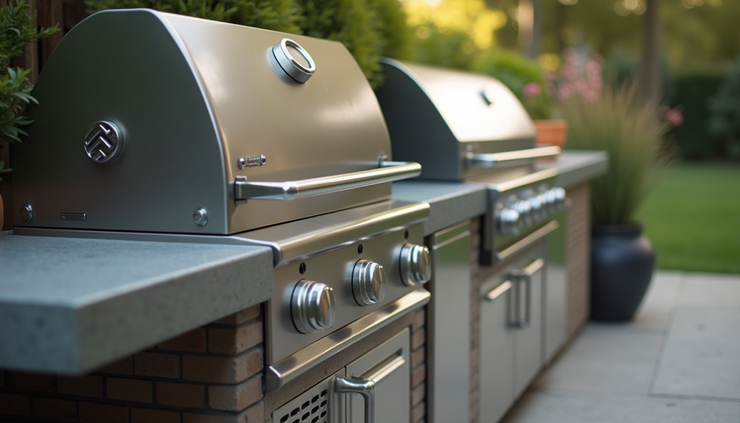
Grill: Choose between gas, charcoal, or electric based on flavor preference and ease of use.
Side Burners: Useful for cooking side dishes or sauces.
Refrigerator: Keeps drinks and ingredients cold without trips inside.
Sink: Makes cleanup and prep easier.
Storage: Cabinets and drawers keep utensils, plates, and tools organized.
Adding extras like a pizza oven, smoker, or ice maker can personalize your setup. For example, a built-in gas grill with a side burner and mini fridge covers most outdoor cooking needs.
Focus on Comfort and Ambiance
An outdoor kitchen is more than just cooking space; it’s a place to enjoy time with family and friends. Comfort and atmosphere matter.
Shade and Shelter: Use pergolas, umbrellas, or retractable awnings to protect from sun and rain.
Lighting: Install task lighting for cooking and softer lights for dining areas.
Heating: Add patio heaters or fire pits to extend use into cooler months.
Seating: Choose comfortable chairs or benches with cushions.
Decor: Incorporate plants, rugs, and outdoor art to make the space inviting.
For example, string lights overhead and a fire pit nearby create a warm, cozy environment for evening gatherings.
Plan for Utilities and Safety
Proper utility connections and safety measures ensure your outdoor kitchen works smoothly and stays safe.
Gas and Electricity: Hire professionals to install gas lines and electrical outlets safely.
Water Supply and Drainage: Connect sinks to water and drainage systems to avoid leaks.
Ventilation: Ensure grills have enough airflow to prevent smoke buildup.
Fire Safety: Keep a fire extinguisher nearby and use non-flammable materials around cooking areas.
Planning these details early avoids costly changes later and keeps your outdoor kitchen functional and secure.


Comments